
Meet our Summer Students: Frances Obike and Aderiyike Rogers!
Frances Obike: My summer with the BEAM Project
Hi everyone! My name's Frances and this summer I was awarded the ENRRICH Summer Studentship Award. This summer has been one of many firsts for me – my first research experience, my first exposure to data analysis outside of coursework and even my first job! I've been working under the supervision of Dr. Leslie Roos in the Hearts and Minds Lab at the University of Manitoba.
-
My project focused on examining parents’ response to Building Emotional Awareness and Mental Health (BEAM) which is a 12-week digital mental health and parenting intervention. BEAM is designed to support parents of infants and young children and has shown efficacy in reducing parenting stress and improving parent mental health. However, the effectiveness of the BEAM program for specific parent populations is unknown. This summer I compared response to the BEAM program for caregivers of children who screen positive for developmental delays with caregivers of children who did not screen positive for developmental delays.
Developmental delays are significant delays in achieving developmental milestones in areas such as communication, movement and social skills. Parent’s mental health, stress and child development are associated with each other. Parents of children of developmental delays report high levels of stress and mental health challenges, but often remain unsupported during this time.
One example of the challenges faced by parents is the long wait times between when they first raise concerns about their child’s development and when they receive assessment or treatment services. This highlights the importance of providing supports for families during this important window for child development as improving family wellbeing also improves child wellbeing. Understanding whether BEAM works equally for parents of children with developmental delays contributes to understanding of who benefits most from digital mental health interventions and can inform our approach to developing supports for families of children with developmental delays.
My project consisted of a quantitative analysis of the BEAM Mental Health in the Early Years (MHitEY) trial that ran from 2023 to 2025. Analyzing data at this scale was new to me and challenged me to spot errors, solve problems and anticipate challenges. The most challenging part was learning to use SPSS syntax (a coding language) for my analysis. Before this summer, I had only analyzed data as part of my coursework, so it was exciting to use the skills I had learned over the past year and apply them to real data!
This experience deepened my understanding of the research process, strengthened my data analysis skills and gave me a greater appreciation for the collaborative nature of research. One of my favourite parts of this experience was the process of figuring things out. Whether it was troubleshooting syntax (I definitely missed a period somewhere!) or discussing challenges and questions with my supervisors, I realized that research is not always a straight path.
The most rewarding part has been getting to meet and work with all the amazing people in the lab. I’m extremely grateful to Dr. Roos for the opportunity to be a part of the lab and to
Bobby McHardy and Rosie Dorostimotlgh for their guidance and support throughout the summer.
This experience pushed me out of my comfort zone in many ways and has shown me the wide range of career paths and research opportunities dedicated to improving child and family wellbeing. It’s been amazing realizing that a career working at the intersection of mental health and neurodevelopment is achievable. Seeing the incredible work already being done is inspiring, and I’m grateful for the chance to be a part of it.
Aderiyike Rogers: My Summer in the AMPLIFY Lab
This summer I had the wonderful opportunity to work with Dr. Mandy Archibald in the AMPLIFY Lab. Since this was a research position, I was prepared to engage in routine research practices like reading and synthesizing pertinent literature. However, I wasn’t prepared for my views on who and what research should involve, how research should look, and the worth of collaboration to be challenged.
-
Participatory Research: Tailoring a Program to End Users
At the onset of the summer, I became involved in a project focused on establishing digital storytelling (DST) workshops as a research approach for families navigating neurodevelopmental disorders (NDD). Digital storytelling is an arts-based, qualitative, and participatory research method where participants make short videos that creatively tell their stories using music, images, and narration (Lambert, 2013; West et al., 2022). These videos are insightful and informative of participants' personal experiences, and while creating them, participants get an opportunity to reflect on complex past realities, emotions, and events (Ferrari et al., 2015). The ready-made videos can then be easily shared with policy makers, professionals, and the public to advocate for social or regulatory change (Barcelos & Gubrium, 2018; Briant et al., 2016; Fletcher & Mullett, 2016; Goodman, 2019; MacEntee, 2016). Hence, this project’s goal is to use DST to give a voice to families who have been waitlisted for NDD assessment and/or treatment. This is important because families with NDD often wait for three or more years to receive assessment and/or treatment. During this wait NDD children at times age out of the critical period for early intervention; plus, this extended wait is known to cause intense mental, social, and financial stress for families (Archibald et al., 2024). Hence, the establishment of DST workshops could empower NDD families to reflect on their complex experiences and share their needs with pertinent audiences like policy makers or healthcare professionals.
Researchers who use participatory methods, like Dr. Archibald, work similarly to garment makers as they tailor their research to their end user’s needs. To ensure that the programs they design are feasible, accessible, and relevant to their targets, they begin by taking the community’s measurements (taking into consideration the community’s experiences, needs, and size). Then they develop an initial design and set meeting dates to receive feedback from community members about what could be improved or refined about the workshop. For this project, we worked with a Parent Advisory Group (PAG) comprising three family co-advisors that had personal experience with NDDs. While Dr. Archibald directed and facilitated meetings, the AMPLIFY research coordinator Amy Abegglen and I supported the project by creating co-design guides, taking notes of suggestions for the workshop's agendas and handbooks, and using them to revise old plans and develop new workbooks. The feedback we received was invaluable, and the insights the PAG’s offered were unique as they were informed by their lived experiences. Therefore, like a tailor who refines a garment according to their clients’ suggestions, the co-design stage of this project was focused on honing the DST workshops so the final version would be feasible, accessible, and acceptable for the NDD families the workshops are being made for.
Digital Storytelling: A Means for Personal Transformation
In between co-design meetings, I began formulating a scoping review on DST. This scoping review is focused on mapping the transformative outcomes (defined as profound changes in individuals’ views of themselves, their past, and others) that occur through DST creation (Davis & Weinshenker, 2012; de Jager et al., 2017). Meaningful changes in individuals’ attitudes, intentions, or perceptions are called personal transformative outcomes (Benjamin-Thomas et al., 2019; Bertera, 2014; Chen et al, 2022; Heilemann 2017; Maragh-Bass et al., 2025). While profound changes in people’s relationship quality and relationship dynamics are called interpersonal transformative outcomes (Stargatt 2022).
While other reviews have talked about the value of DST as a way of sharing knowledge (Park et al., 2021; West et al., 2022) or encouraging healthy behaviors (Kav et al., 2025; Lohr et al., 2022; Nagarkar et al., 2026), we will focus on its ability to result in personal transformation and record the transformative outcomes that emerge from DS creation. To begin, I focused on conducting a literature review on DST and using it to draft the scoping review protocol. This was an intricate task, as creating a protocol is very similar to developing instructions for a recipe—you list all the key ingredients (concepts) that will be included in the recipe (review), detail the specific steps to be taken at each stage then explain why, and outline what tools will be used and when. This stage is important because, like recipes, reviews need to provide precise details on their methodology so if others replicate their procedures, the same result will be produced. Writing the scoping reviews protocol was vital as I gained valuable knowledge on the therapeutic effect of digital storytelling and the stages involved in scoping review development.
Illumination and the Value of Collaboration
While drafting the scoping review protocol, I also had the opportunity to provide a secondary deductive analysis for interview transcripts from an Empowering Next-Generation Researchers in Perinatal and Child Health (ENRICH) research training conference. Specifically, I worked on analyzing post-Illumination workshop interviews from three ensuing timepoints. The Illumination workshop was an arts-based experiential learning intervention that was designed and directed by Dr. Archibald to encourage collaboration among child health professionals and researchers. Experiential learning is a learning strategy that requires learners to directly interact with a desired concept’s processes and practices (Yusof et al., 2020). In this workshop, participants were encouraged to self-reflect and collaborate with others to form a group performance that showed their perspectives on collaboration. For the analysis, I coded emergent learning outcomes that related to changes in participant’s understanding of collaboration as a concept, beliefs of what processes encourage collaboration, and reflections on how they personally engage in collaboration. Reading the transcripts was illuminating (pun intended) as I had the opportunity to see professional researchers and health care workers’ perspectives on collaboration which made me aware of how different work environments can lead to differing perspectives on collaborative dynamics. Overall, this eventually led me to reflect on my own actions while collaborating, definitions of collaboration, and understanding of how collaboration can occur.
What did I learn from this summer experience?
Through this ENRRICH studentship I received experience assisting with co-designing a program in partnership with community members, developed a scoping review protocol, and conducted my first qualitative analysis of interview transcripts. Yet, aside from these research skills I also took away the value of arts-based research approaches to influence and alter people’s perspectives. Plus, the significance of collaboration throughout the research process and its ability to lead to better research outcomes for communities and researchers.
Note of Thanks
I want to say thank you to Dr. Mandy Archibald and all the members of the AMPLIFY Lab (Amy, Clara, Kina and Michaela) your continued guidance, encouragement, support and feedback made this summer unforgettable!
Lastly, I would like to thank the ENRRICH research team for their support throughout this journey.
References
Archibald, M. M., Akinwale, O., Bourque, M. A., Adeyemi, B., Menendez, A. M., Hammond, E., Borton, B., Woodgate, R., & Wittmeier, K. (2024; in progress). A living lab in pediatric disability and rehabilitation: Shared stories from families lived experiences with neurodiversity.
Arksey, H., & O'Malley, L. (2005). Scoping studies: Towards a methodological framework. International journal of social research methodology, 8(1), 19-32. https://doi-org.uml.idm.oclc.org/10.1080/1364557032000119616
Barcelos, C., & Gubrium, A. (2018). Bodies that tell: Embodying teen pregnancy through digital storytelling. Journal of Women in Culture and Society, 43(4), 905-927. https://doi.org/10.1086/696627
Benjamin-Thomas, T. E., Laliberte Rudman, D., Cameron, D., & Batorowicz, B. (2019). Participatory digital methodologies: Potential of three approaches for advancing transformative occupation-based research with children and youth. Journal of Occupational Science, 26(4), 559-574. https://doi.org.uml.idm.oclc.org/10.1080/14427591.2018.1512054
Bertera E. (2014). Storytelling slide shows to improve diabetes and high blood pressure knowledge and self-efficacy: Three-year results among community dwelling older African Americans. Educational Gerontology, 40(11), 785–800.
Briant K. J., Halter A., Marchello N., Escareño M., Thompson B. (2016). The power of digital storytelling as a culturally relevant health promotion tool. Health Promotion Practice, 17(6), 793–801. https://doi.org.uml.idm.oclc.org/10.1177/1524839916658023
Chen, A. C. C., Kim, W. S., Todd, M., & Larkey, L. (2022). A digital storytelling intervention for Vietnamese American mothers to promote their children's HPV vaccination. Cancer Prevention Research, 15(7), 465-472.
Davis, A., & Weinshenker, D. (2012). Digital storytelling and authoring identity. Technology and identity: Research on the development and exploration of selves in a digital world, 47-64
de Jager, A., Fogarty, A., Tewson, A., Lenette, C., & Boydell, K. M. (2017). Digital Storytelling in Research: A Systematic Review. The Qualitative Report, 22(10), 2548-2582. https://doi.org/10.46743/2160-3715/2017.2970
Ferrari, M., Rice, C., & McKenzie, K. (2015). ACE Pathways Project: therapeutic catharsis in digital storytelling. Psychiatric services (Washington, D.C.), 66(5), 556. https://doi.org/10.1176/appi.ps.660505
Fletcher, S., & Mullett, J. (2016). Digital stories as a tool for health promotion and youth engagement. Canadian Journal of Public Health, 107(2), e183–187. doi: 10.17269/cjph.107.5266
Goodman A. (2019). Digital storytelling with heroin users in Vancouver. International Quarterly of Community Health Education, 39(2), 75–89. https://doi-org.uml.idm.oclc.org/10.1177/0272684X18811187
Heilemann, M. V., Soderlund, P. D., Kehoe, P., & Brecht, M. L. (2017). A transmedia storytelling intervention with interactive elements to benefit Latinas’ mental health: Feasibility, acceptability, and efficacy. JMIR mental health, 4(4), e47.
Kav, S., Zengin, H., & Ugurlu, Z. (2025). CN23 The use of digital storytelling in cancer prevention and screening: A scoping review. Annals of Oncology, 36, S1630. https://doi.org/10.1016/j.annonc.2025.08.1098
Lambert, J. (2013). Digital storytelling: Capturing lives, creating community. Routledge.
Lohr, A. M., Raygoza Tapia, J. P., Valdez, E. S., Hassett, L. C., Gubrium, A. C., Fiddian-Green, A., ... & Wieland, M. L. (2022). The use of digital stories as a health promotion intervention: a scoping review. BMC public health, 22(1), 1180. https://doi.org.uml.idm.oclc.org/10.1186/s12889-022-13595-x
MacEntee, K. (2016). Girls, condoms, tradition, and abstinence: Making sense of HIV prevention discourses in rural South Africa. In C. Mitchel & C. Rentschler (Eds.), Girlhood and the politics of place, (pp. 315–332). New York, NY: Berghahn Books.
Maragh-Bass, A. C., Dinh, N., Cooney, G., Aikhuele, E., Chandler, R., Hughes, R., ... & Lorenzetti, L. (2025). The role of digital storytelling methods in promoting health-related outcomes among young adults of color: a systematic review. Mhealth, 11, 42.
Nagarkar, A., Martin, G., Sadaniantz, K., Iyengar, S., Wisniewski, H. C., Denu, M. K., ... & Kovell, L. C. (2026). Storytelling for health promotion: a scoping review. American Journal of Health Promotion, 40(2), 187-209. doi: 10.1177/08901171251365366
Park, E., Forhan, M. & Jones, C. A. (2021) The use of digital storytelling of patients’ stories as an approach to translating knowledge: a scoping review. Research Involvement and Engagement 7, 58. https://doi.org/10.1186/s40900-021-00305-x
Stargatt, J., Bhar, S., Bhowmik, J., & Al Mahmud, A. (2022). Digital storytelling for health-related outcomes in older adults: systematic review. Journal of Medical Internet Research, 24(1), e28113.
West, C. H., Rieger, K. L., Kenny, A., Chooniedass, R., Mitchell, K. M., Winther Klippenstein, A., Zaborniak, A.-R., Demczuk, L., & Scott, S. D. (2022). Digital Storytelling as a Method in Health Research: A Systematic Review. International Journal of Qualitative Methods, 21. https://doi.org/10.1177/16094069221111118
Willis, N., Frewin, L., Miller, A., Dziwa, C., Mavhu, W., & Cowan, F. (2014). “My story”—HIV positive adolescents tell their story through film. Children and Youth Services Review, 45, 129-136.
Yusof, R., Yin, K. Y., Norwani, N. M., Ismail, Z., Ahmad, A. S., & Salleh, S. (2020). Teaching through experiential learning cycle to enhance student engagement in principles of accounting. International Journal of Learning, Teaching and Educational Research, 19(10), 323–337.
Published September 1, 2026
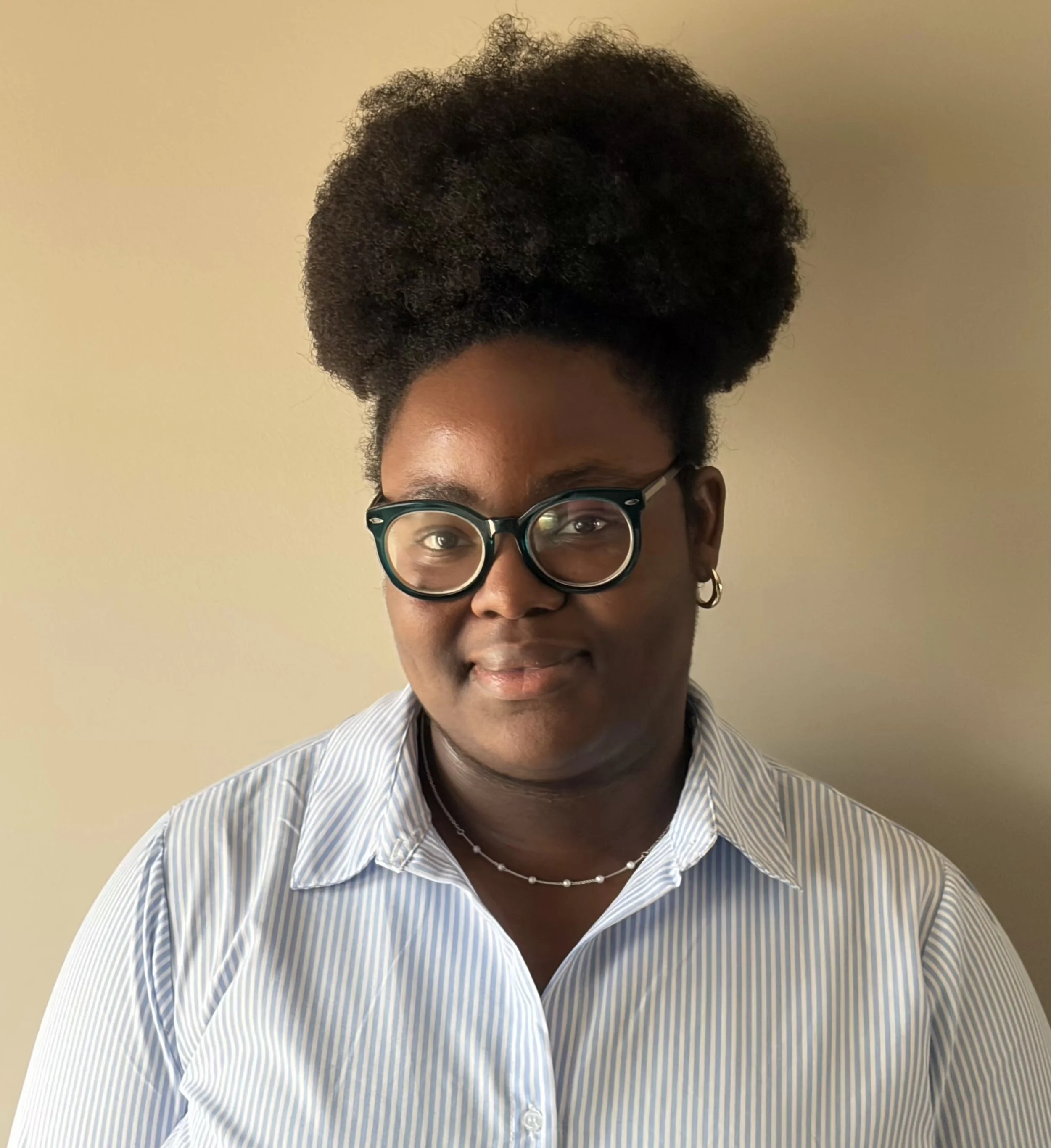
About the Author
Frances Obike (she/her)
Frances Obike is a second year Neuroscience major with a minor in Psychology at the University of Winnipeg. This summer, she worked in the Hearts and Minds Lab under the supervision of Dr. Leslie Roos. She hopes to become a physician specialising in pediatric neurology or psychiatry. Her research interests are the intersection of mental health, neurodevelopment and healthcare
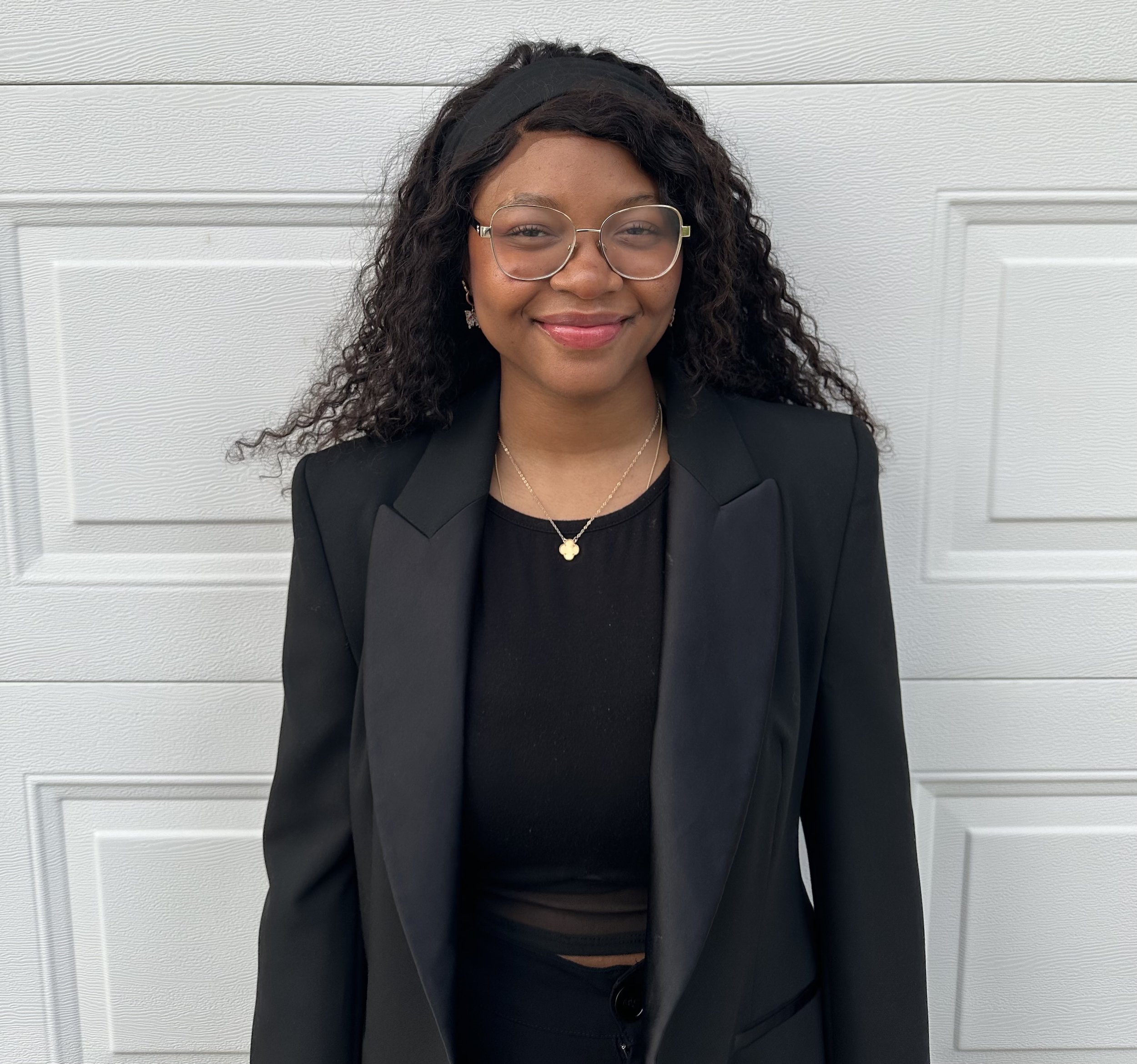
About the Author
Aderiyike Rogers (she/her)
Aderiyike is a graduate from the University of Manitoba with an Honors in Psychology. Her research interests are parental and immigrant mental health, the diagnosis of ADHD in girls and women, and the creation and implementation of mental health interventions for marginalized groups. During her spare time, Rike enjoys reading, dancing, completing puzzles, and spending time with her friends and family.