
Calling Young Female Athletes: Share Your Concussion Recovery Story
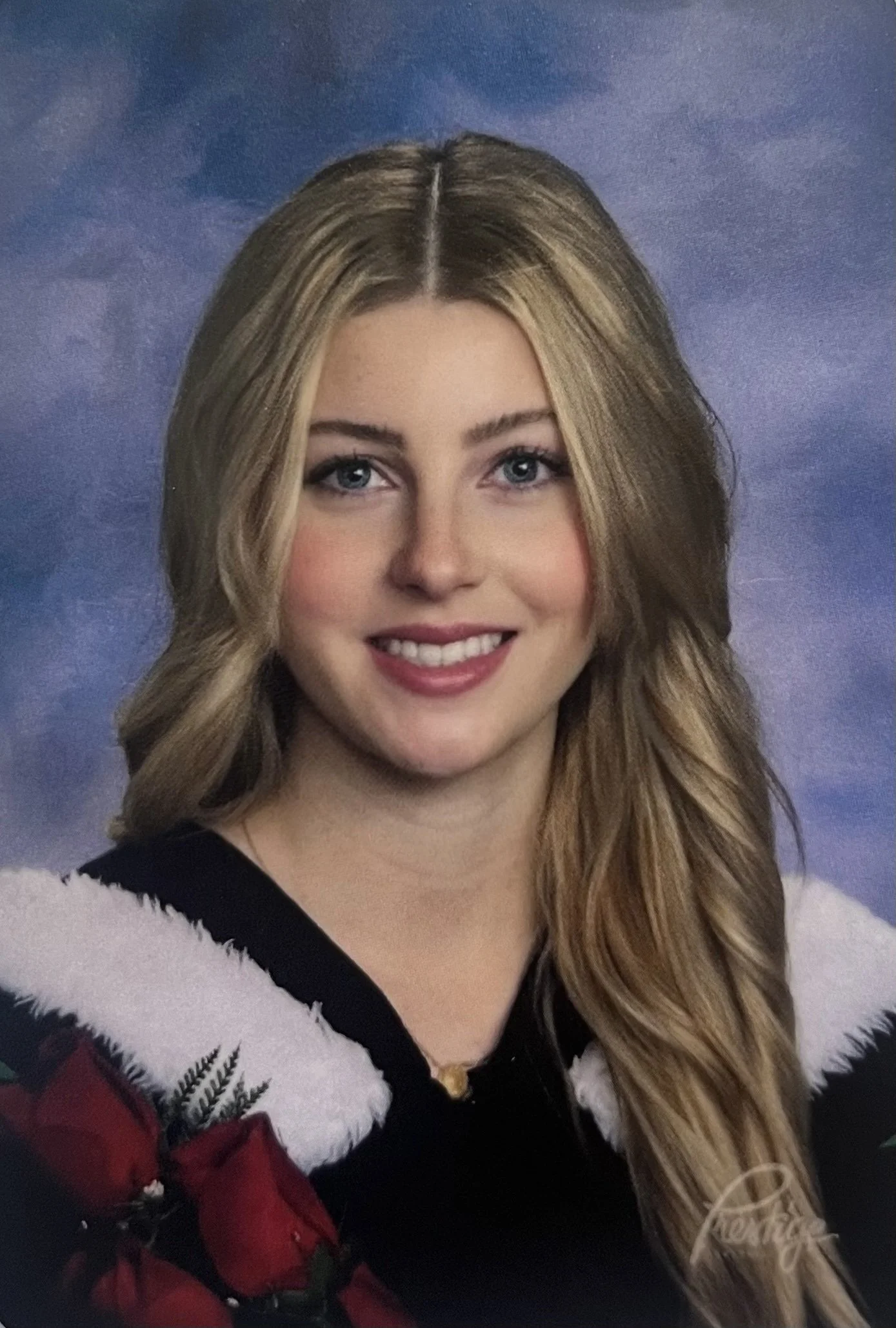
Hi, my name is Mason, and I’m currently completing my master’s degree in Pediatrics and Child Health. Before university, I was an elite ringette player, and during that time I experienced a concussion. Recovering from my concussion was difficult, not only physically but also mentally and emotionally. That experience has stayed with me and shaped how I think about concussions in young athletes. Having gone through concussion recovery myself, I understand how stressful and discouraging the process can be, especially when all you want is to get back to your sport and teammates. This is why I am conducting a research study to better understand how adolescent girls in Winnipeg experience mental health and recovery after a sport-related concussion, with a focus on their journey back to sport. Concussions can affect athletes in many ways, and your story could help others navigate their own recovery.
What is a concussion?
A concussion is a form of mild traumatic brain injury that can affect how your brain functions. Concussions are caused by a bump or blow to the head or body, which causes the brain to move rapidly within the skull. Concussions can cause a range of symptoms, including physical issues (like headaches or dizziness), thinking and memory problems, changes in mood or emotions, sleep difficulties, and impacts on mental health. Concussions can affect a person’s short and long-term well-being, especially if not managed properly. Adolescents are at higher risk of getting a sport-related concussion because they play more contact sports than younger kids or adults. Concussions in high school sports have been steadily increasing.
Across Canada, an estimated 200,000 concussions happen each year, most affecting children and youth. You probably know someone who has had a concussion. Even though there is more concussion research than ever before, we still do not know much about how teen girls experience mental health challenges while recovering, especially when they go back to their sport. My study will look at the personal stories of girls recovering from a sport-related concussion, focusing on their mental health and return to play. It will also explore how expectations around gender and culture might affect how girls recover and cope.
Why Girl Athletes?
Girls are often left out of both sports and sports injury research, so we do not always understand the unique challenges they face. This study focuses on adolescent girls to help fill that gap. Things like mental health, social pressures, and expectations placed on girls can affect how they experience and recover from a concussion. By listening to their stories, we can better understand what recovery is really like for them.
Who I’m Looking For
I’m inviting 8 adolescent girls, aged 13–17, who live in Winnipeg, Manitoba and have:
● Been diagnosed with their first sport-related concussion by a doctor or nurse practitioner in the past 12 months
● Fully recovered from that concussion
Why Participate?
Sharing your experiences can help athletes like you! Our results will also help researchers, healthcare providers, coaches, and families better support young athletes in the future. Sharing your recovery story also gives you the chance to reflect on what you went through.
What’s Involved?
Participation involves one in-person interview at the Children’s Hospital Research Institute of Manitoba in a private conference room. Or a virtual interview can be arranged if you’d prefer.
● Length: About 45 minutes
● Format: One-on-one conversation about your concussion recovery process
● Focus: Your thoughts, feelings, and experiences around recovery and returning to sport
To thank you for your participation, you will receive a small gift card upon completing the interview.
If you or someone you know might be interested, I’d love to hear from you!
Please email me at: hollebem@myumanitoba.ca
Published September 2, 2025
About the author
Mason is currently a second-year MSc student in Pediatrics and Child Health at the University of Manitoba, working under Dr. Kelly Russell and Dr. Kerstin Roger. Her research focuses on sport-related concussions among adolescent girls in Winnipeg, exploring their recovery experiences and mental health outcomes. Mason completed her undergraduate degree in Health Studies at the University of Manitoba in 2024, where she first developed an interest in feminist theory and its application to health research.